Wildebeests Migration
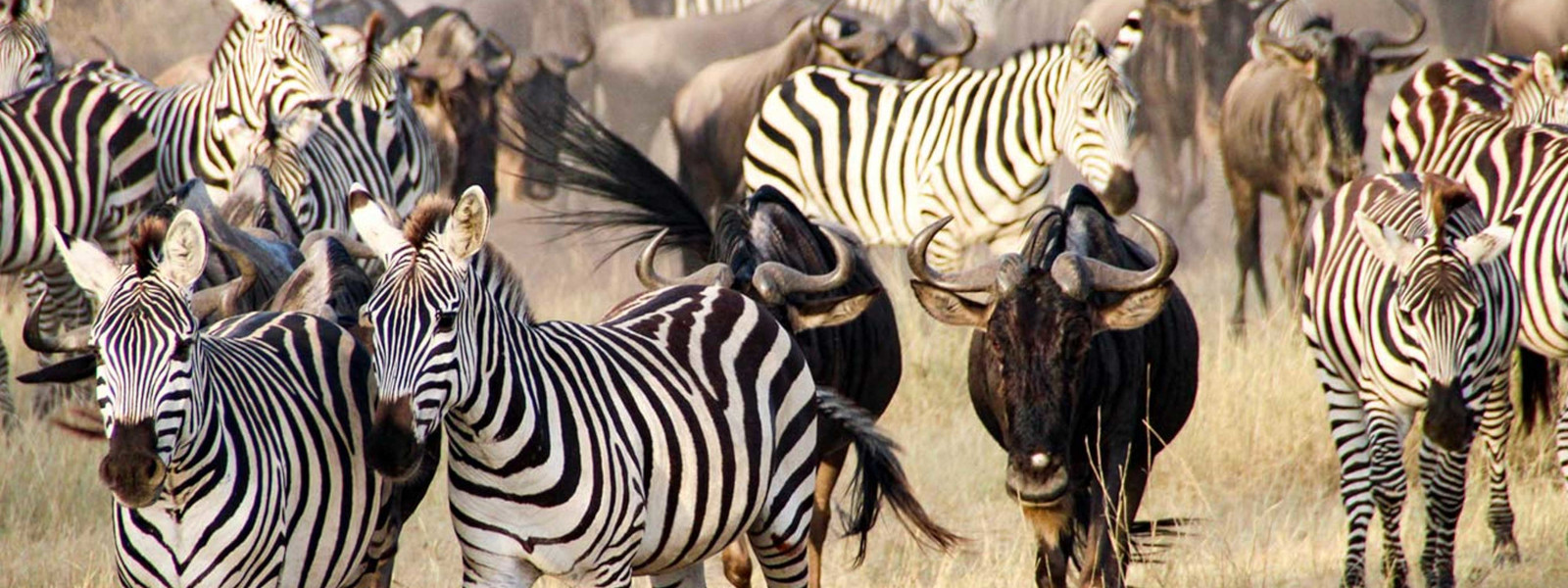
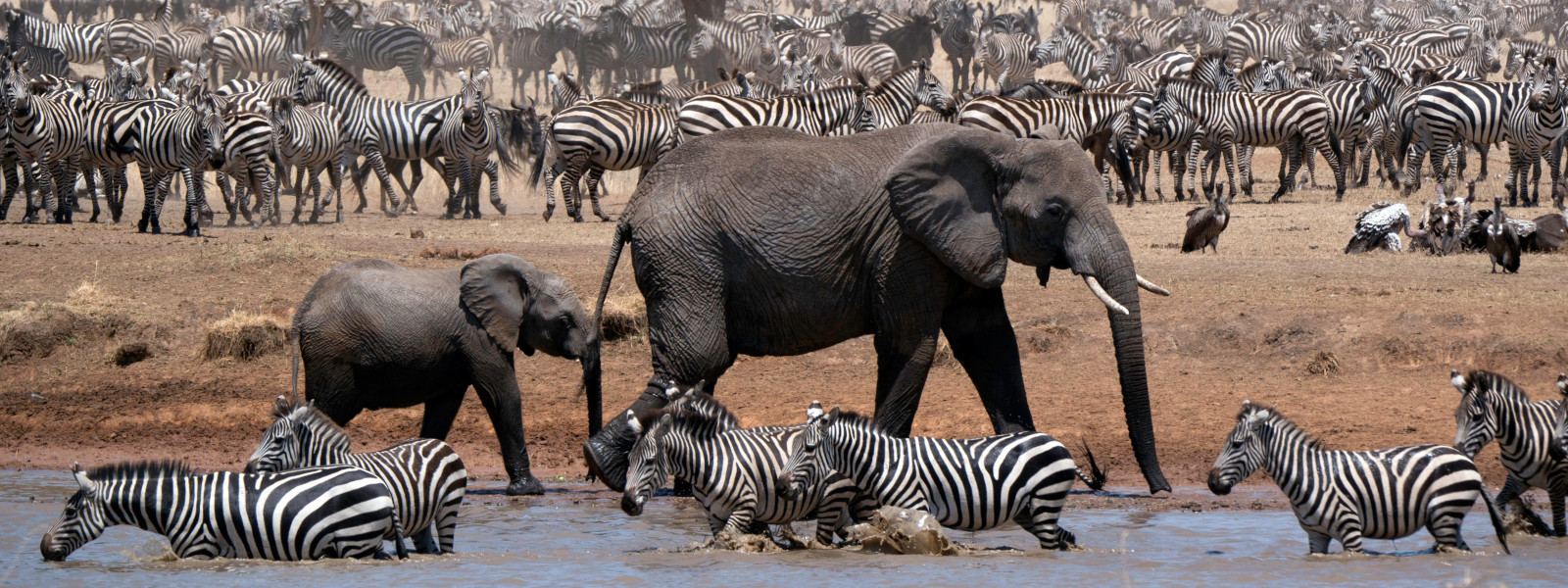
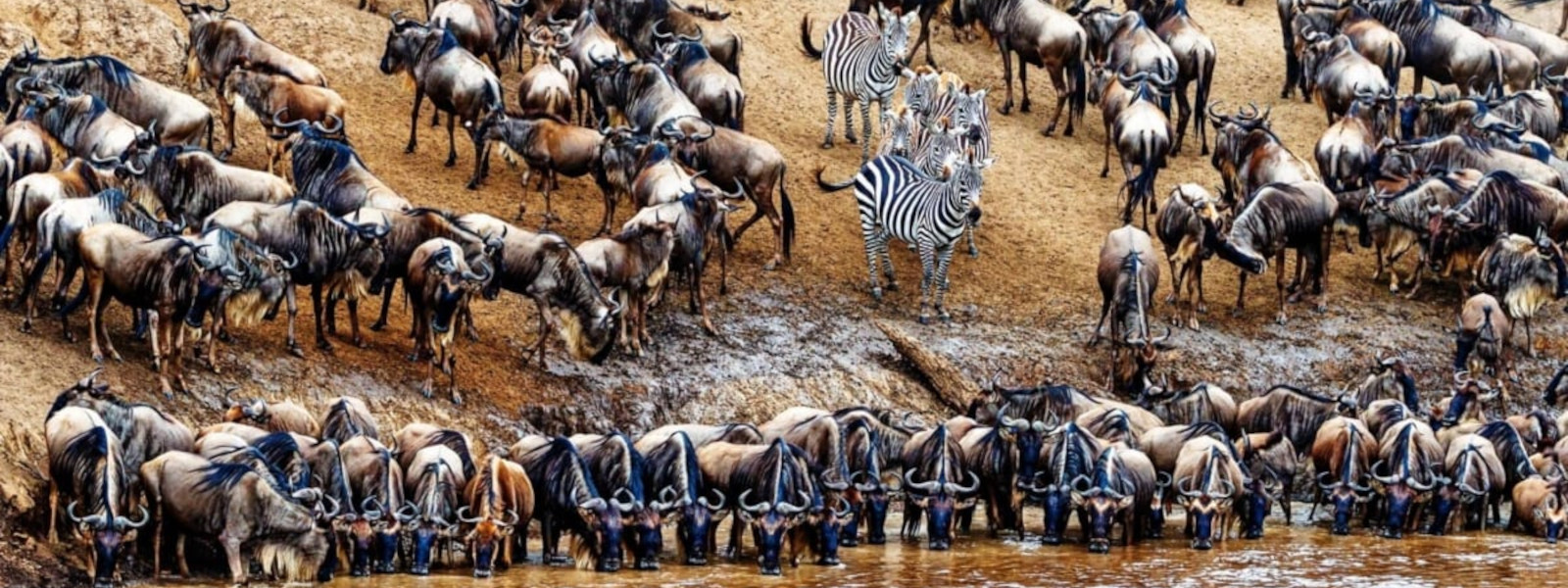
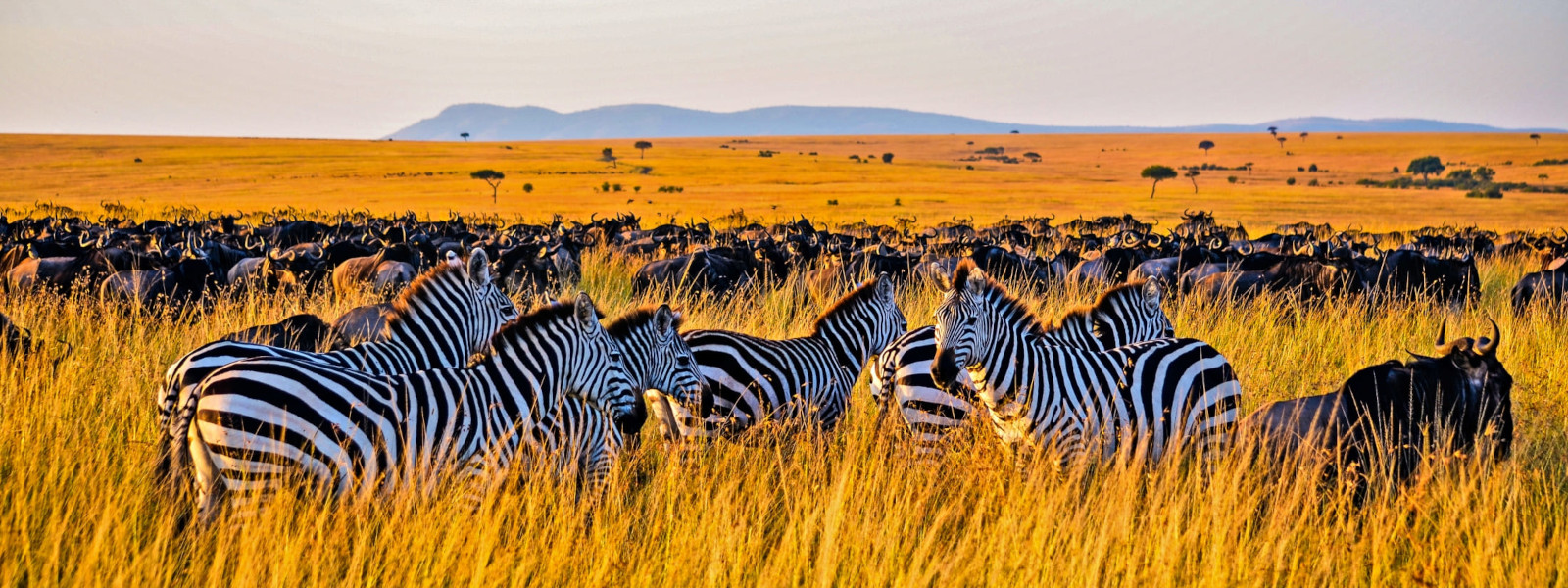
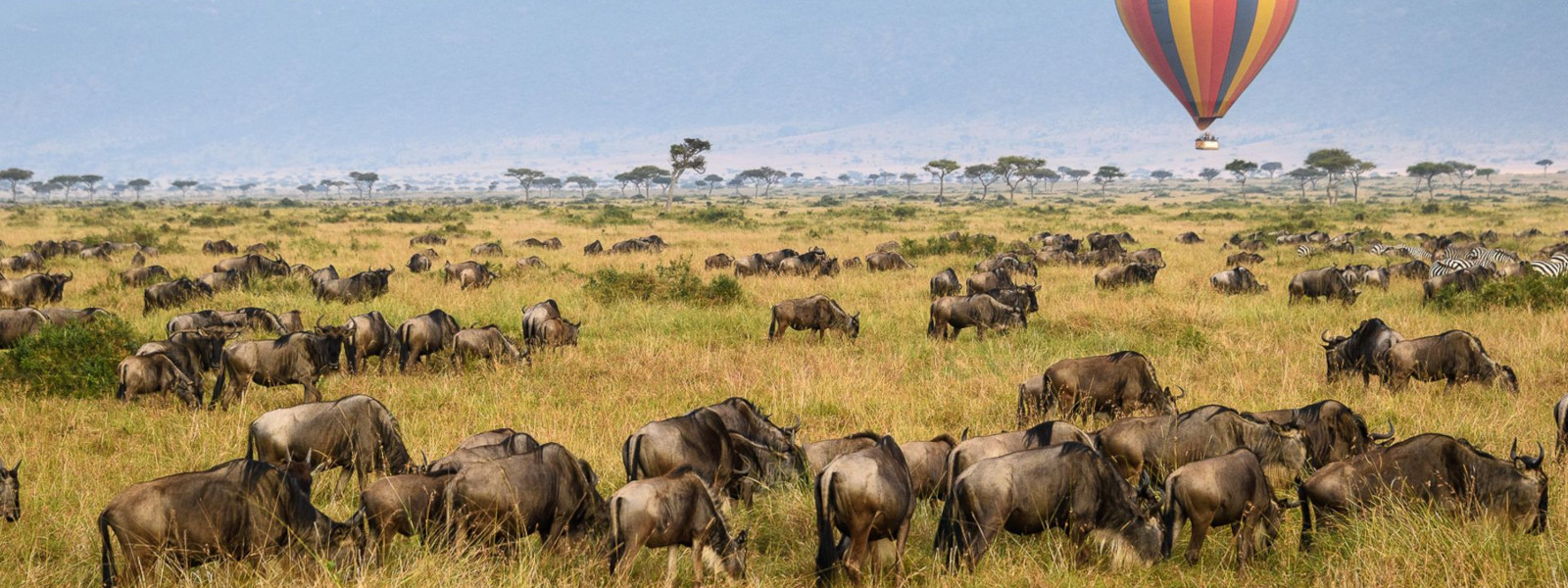
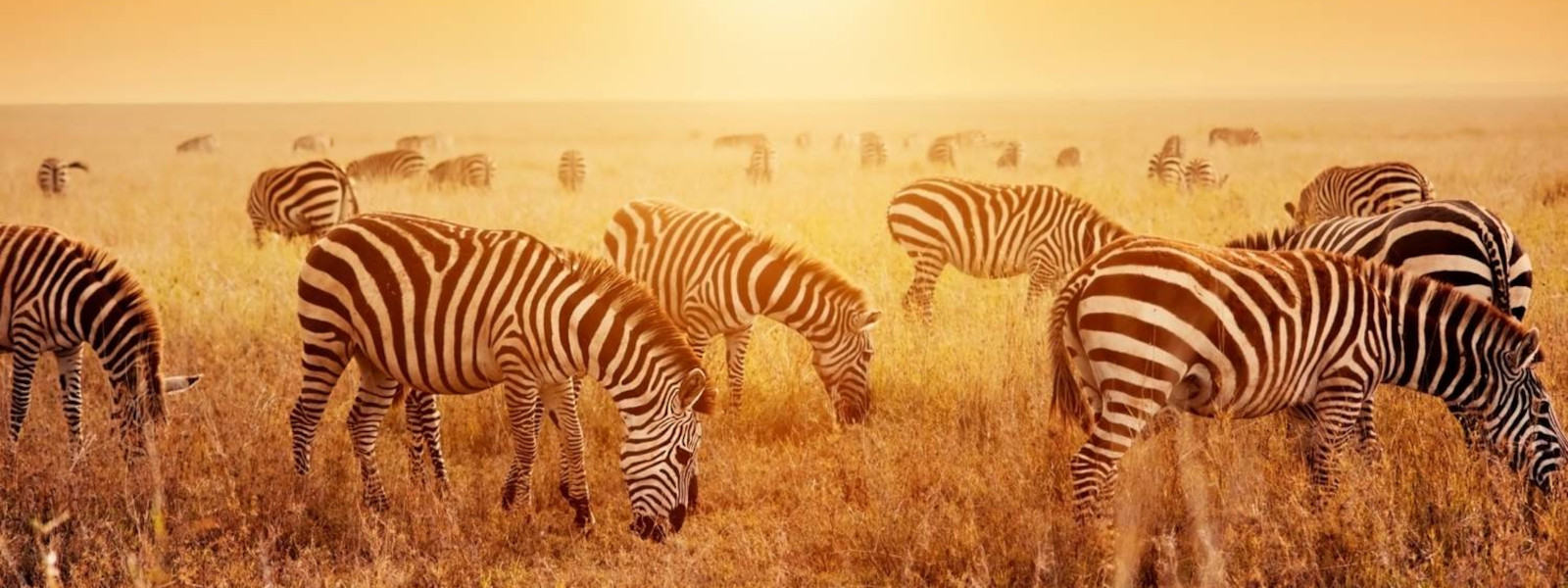
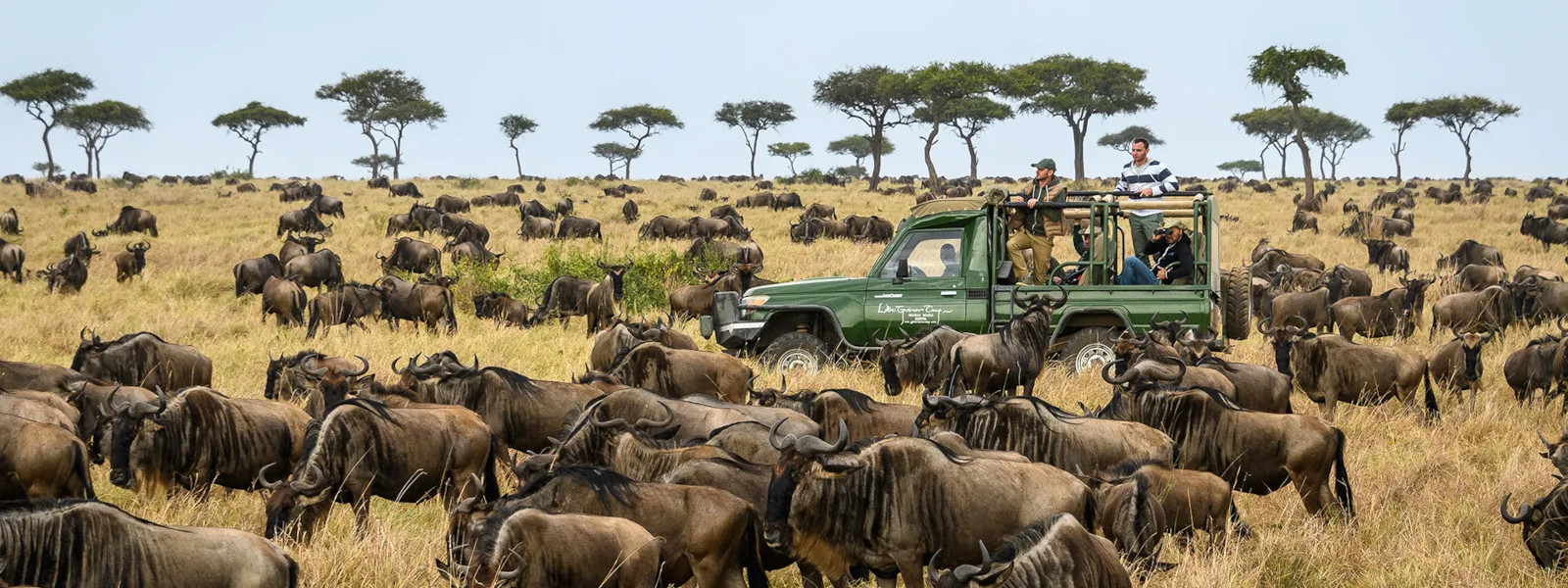
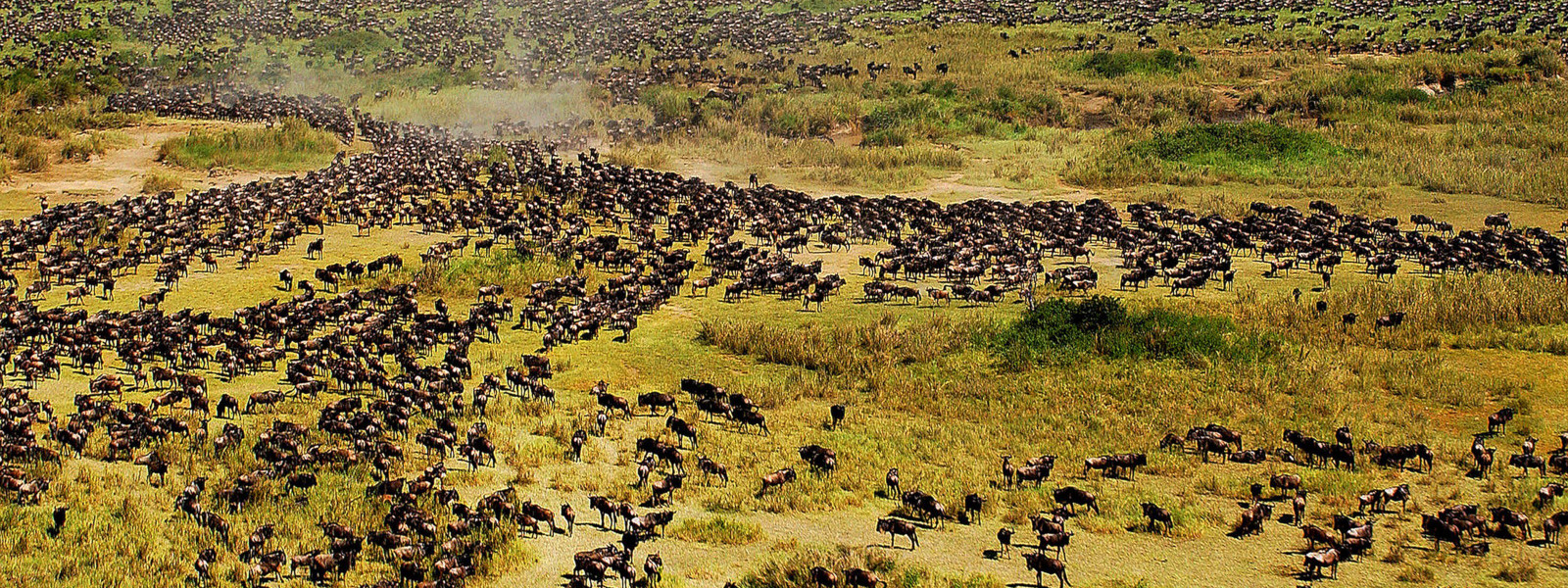
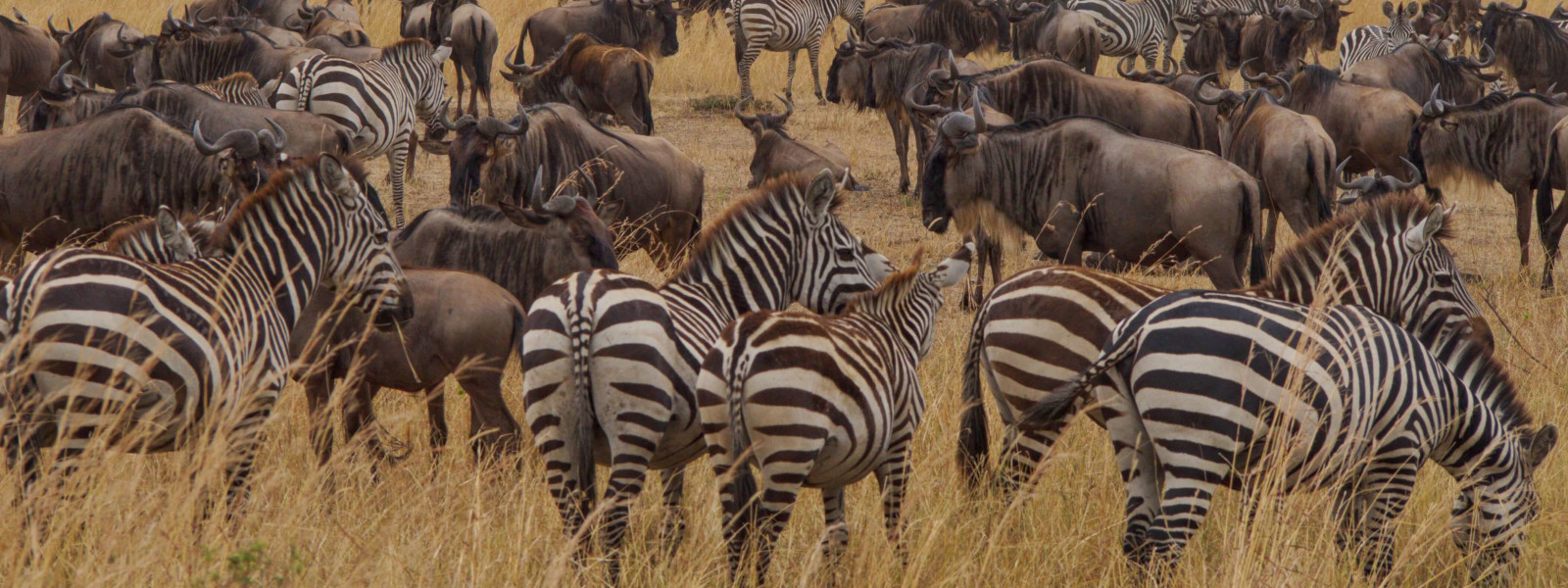
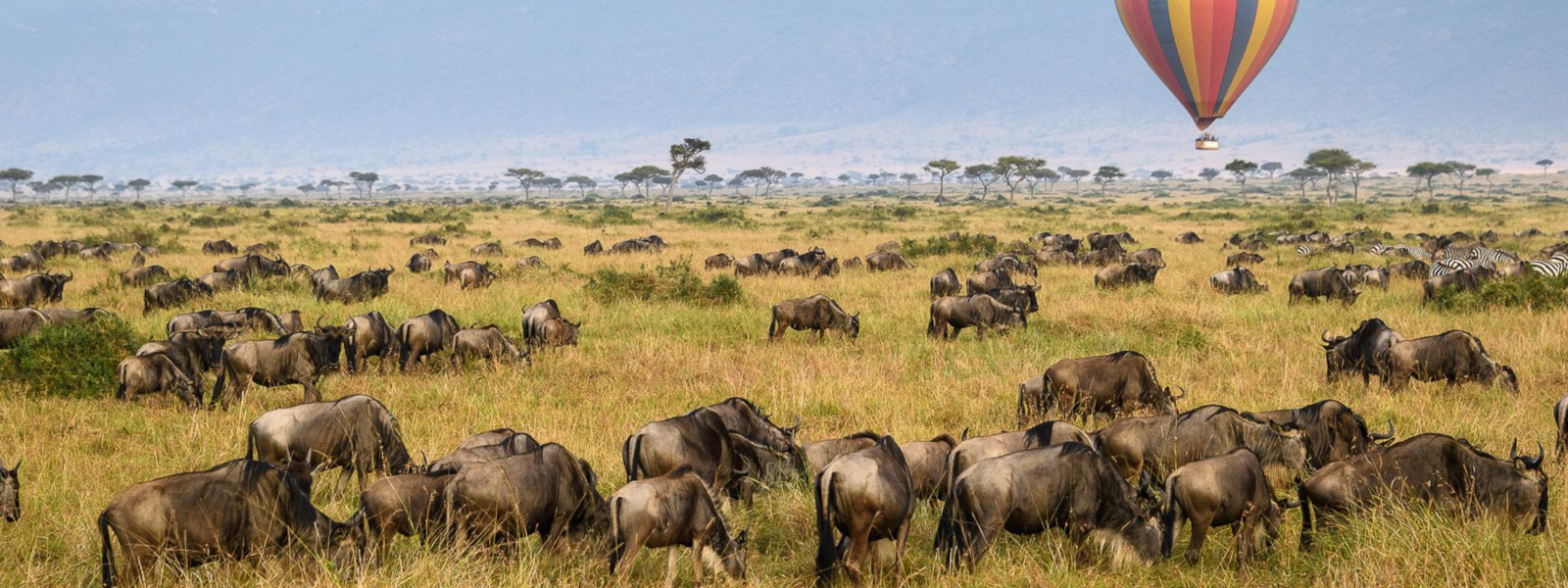
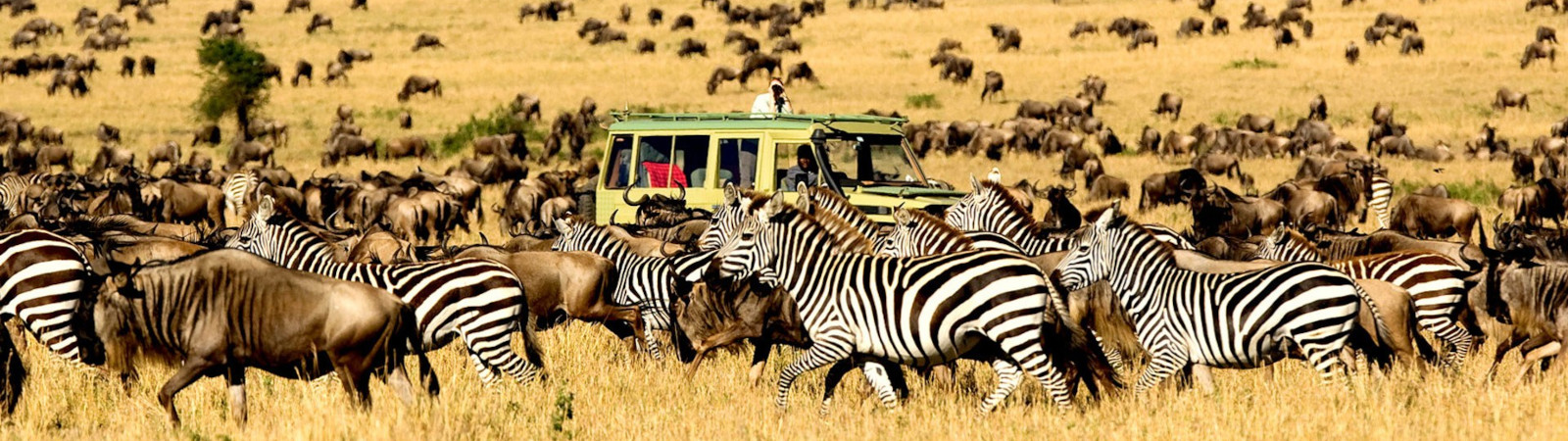
The Great Wildebeest Migration is the planet’s largest land mammal movement: over 2 million wildebeest, 400,000 zebra, 300,000 Thomson’s gazelle, and 12,000 eland traveling a 1,800-mile clockwise loop through Tanzania’s Serengeti and Kenya’s Masai Mara. Kim’zebra Migration Safaris are built around one rule — be where the herds are today, not where they were last month.
THE SERENGETI WILDEBEEST MIGRATION
𝗗𝗲𝗰𝗲𝗺𝗯𝗲𝗿 𝘁𝗼 𝗠𝗮𝗿𝗰𝗵: 𝗡𝗱𝘂𝘁𝘂 & 𝗦𝗼𝘂𝘁𝗵𝗲𝗿𝗻 𝗦𝗲𝗿𝗲𝗻𝗴𝗲𝘁𝗶.
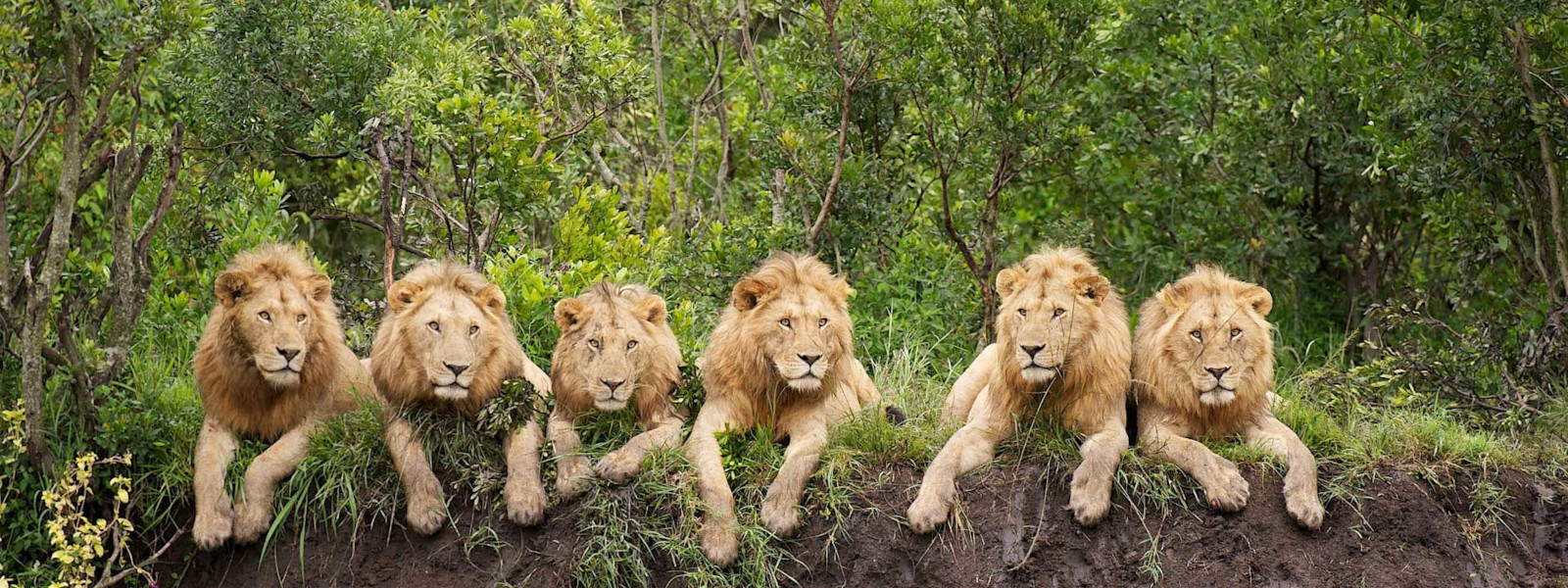
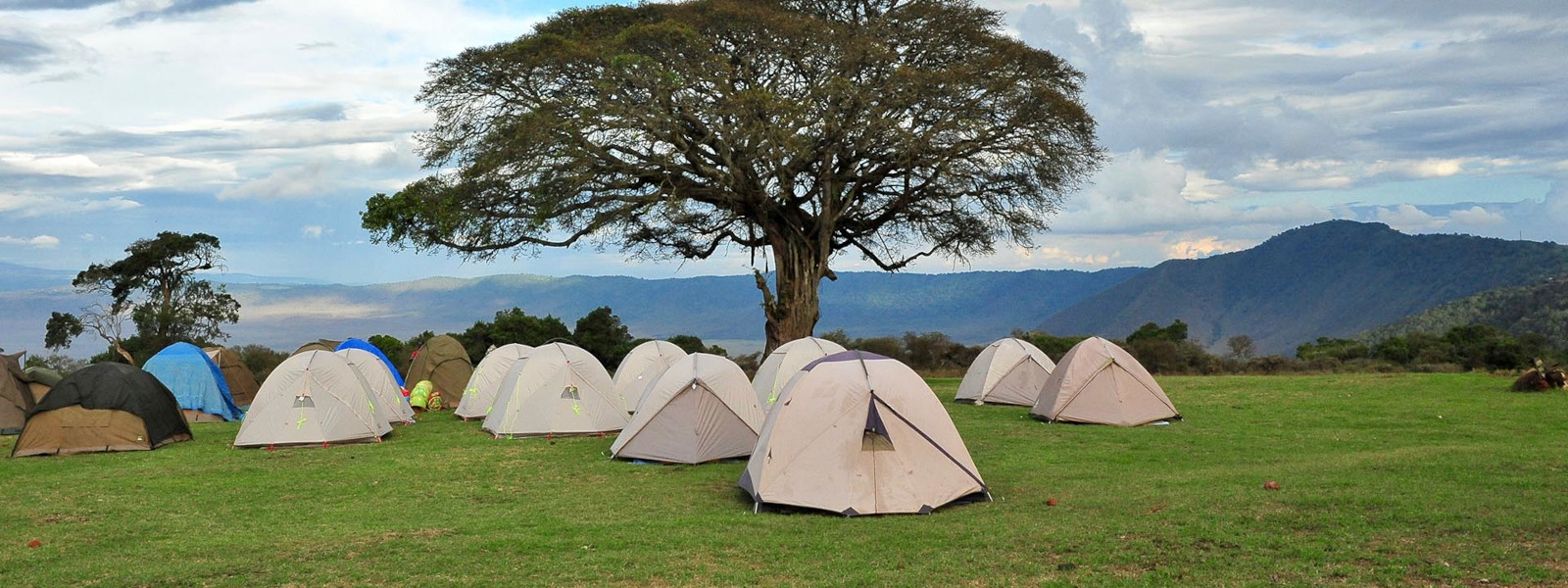
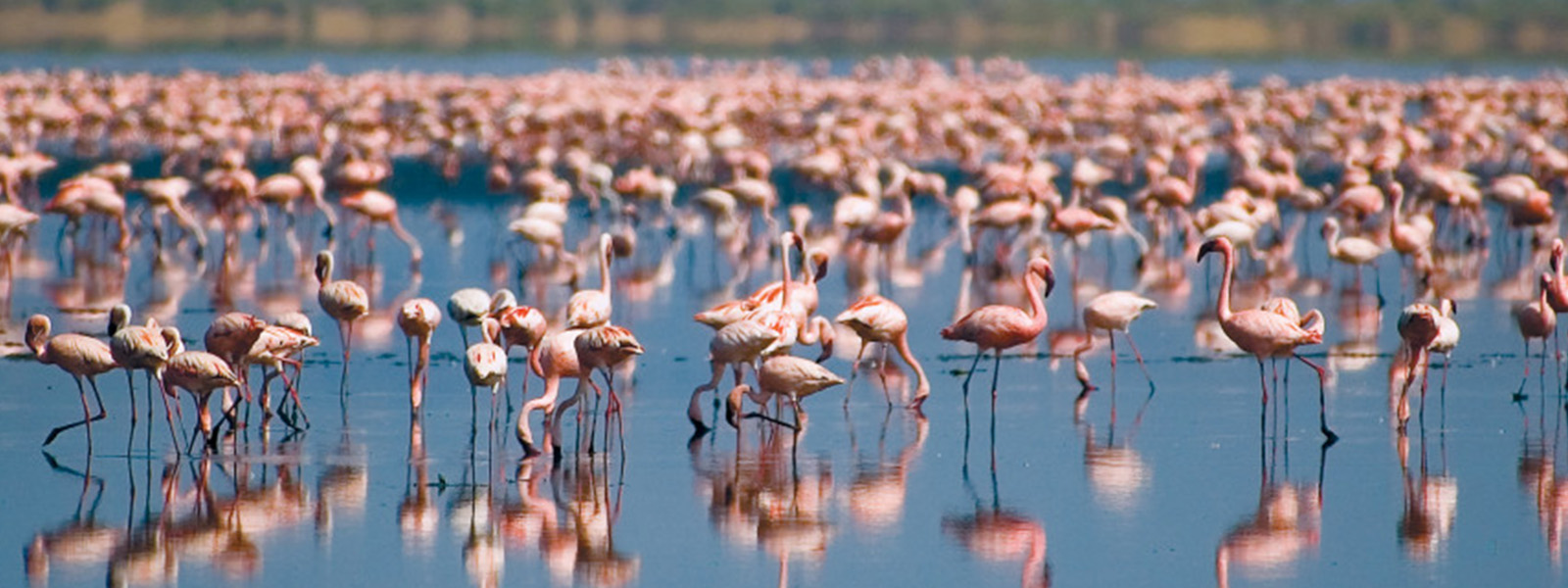
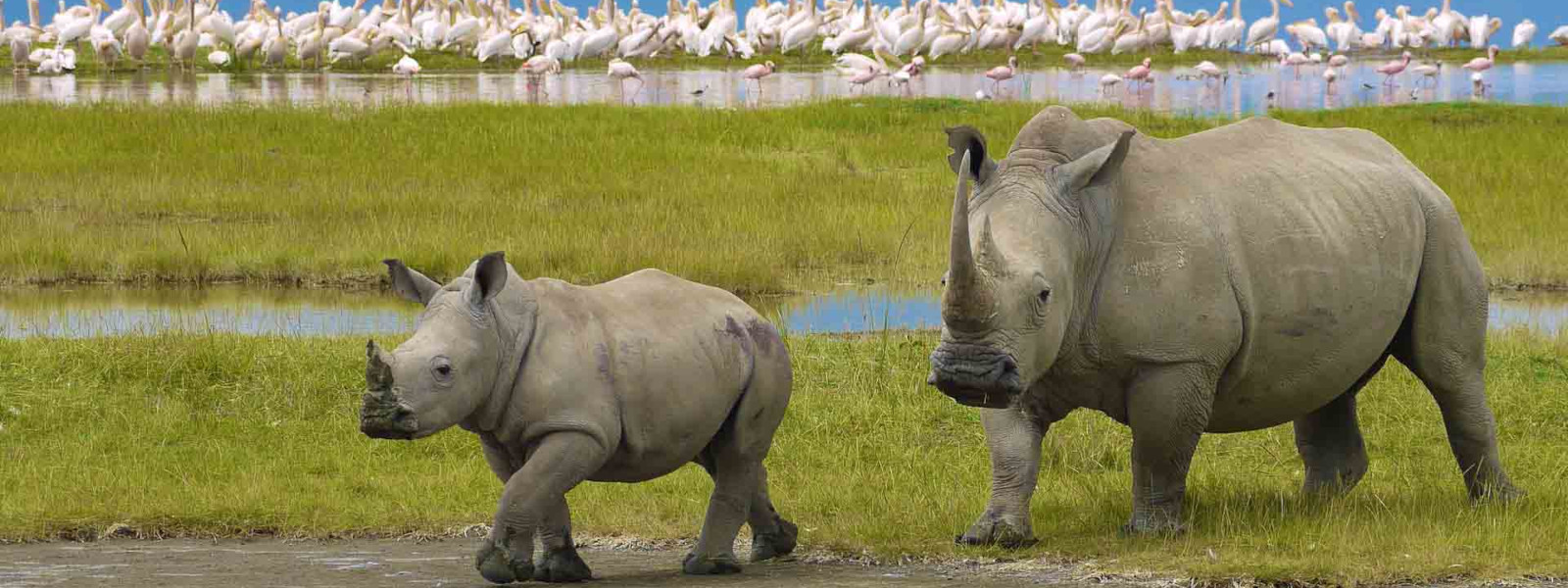
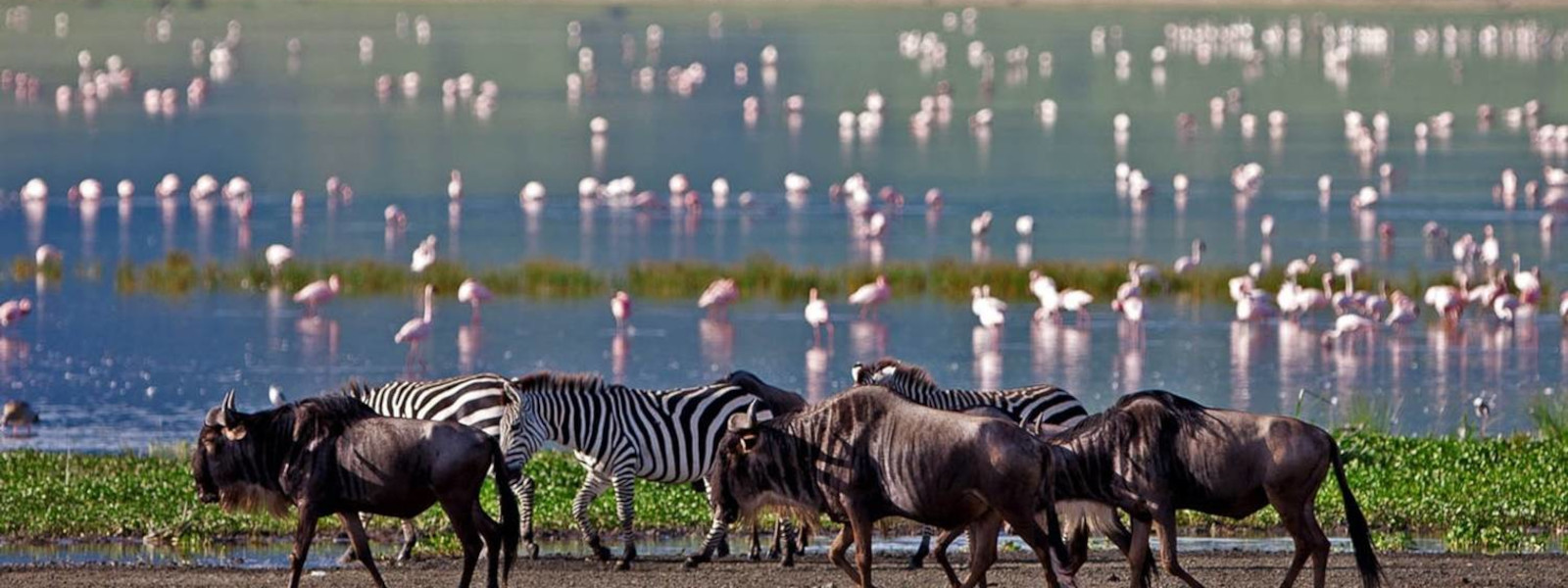
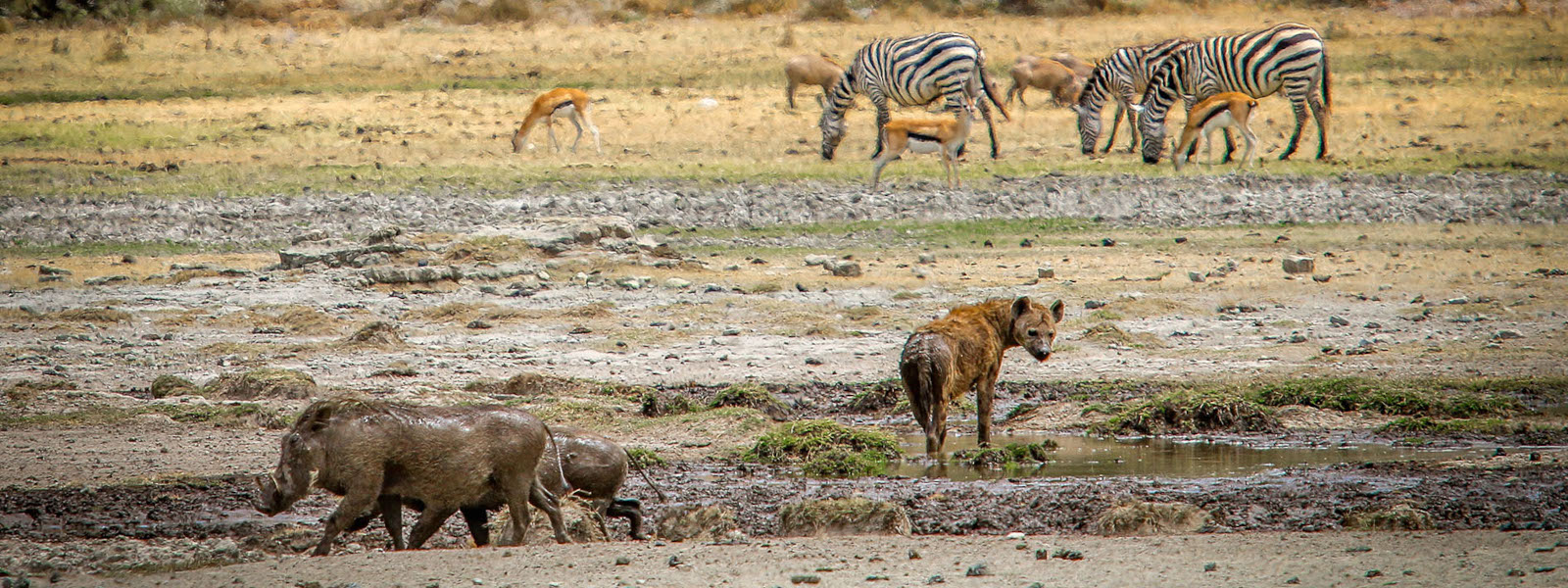
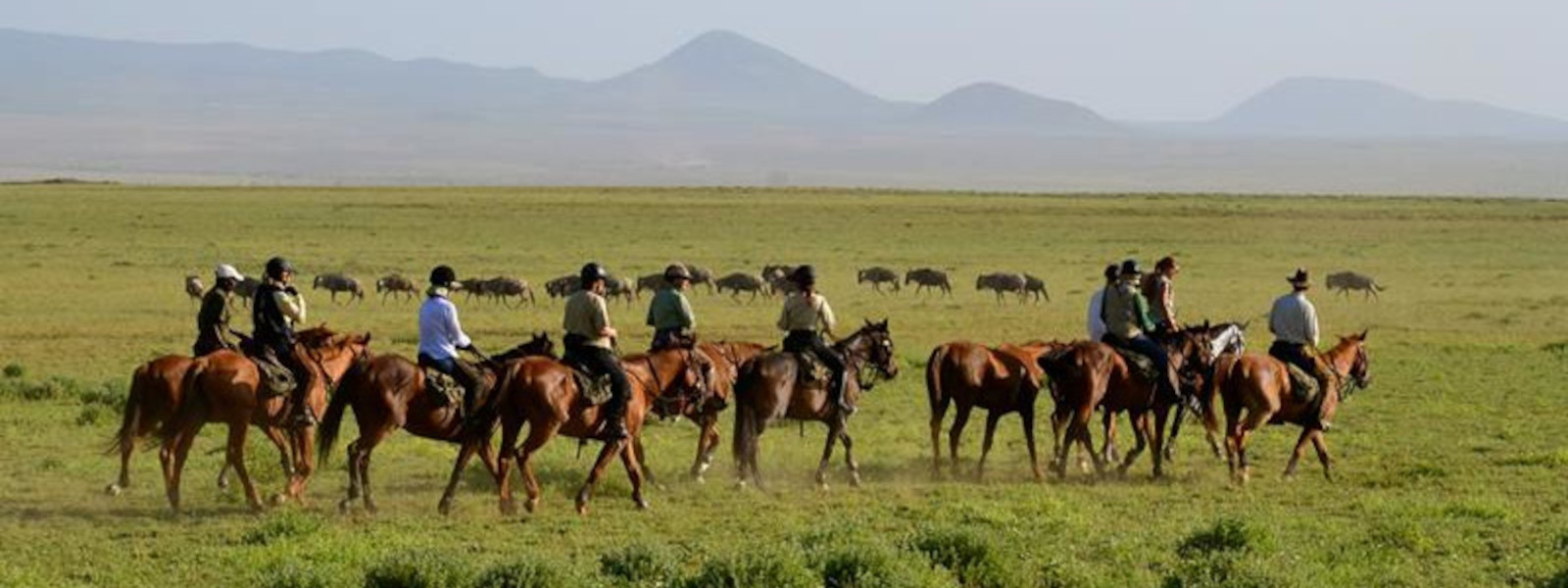
This is calving season. Between late January and early March, 8,000 wildebeest calves are born every single day on the nutrient-rich short-grass plains. Predators follow. Cheetah thrive in the open, lion prides feast, and hyena clans raise pups. The action is constant and visible. Shallow soda lakes attract flamingos and add color to photographs. We use mobile camps and budget lodges in Ndutu and Kusini to keep you minutes from the herds. Best months for big cats and baby animals.
𝐀𝐩𝐫𝐢𝐥 𝐭𝐨 𝐉𝐮𝐧𝐞: 𝐂𝐞𝐧𝐭𝐫𝐚𝐥 & 𝐖𝐞𝐬𝐭𝐞𝐫𝐧 𝐒𝐞𝐫𝐞𝐧𝐠𝐞𝐭𝐢.
Rains end and grass grows tall. The mega-herds form marching columns 25 miles long and begin moving northwest. Early crossings happen on the Mbalageti and Grumeti rivers. These Grumeti crossings involve massive crocodiles but fewer vehicles than the Mara. Western Corridor camps give you front-row access. May offers lush scenery, dramatic skies, and lower rates.
𝐉𝐮𝐥𝐲 𝐭𝐨 𝐒𝐞𝐩𝐭: 𝐍𝐨𝐫𝐭𝐡𝐞𝐫𝐧 𝐒𝐞𝐫𝐞𝐧𝐠𝐞𝐭𝐢 & 𝐌𝐚𝐫𝐚 𝐑𝐢𝐯𝐞𝐫.
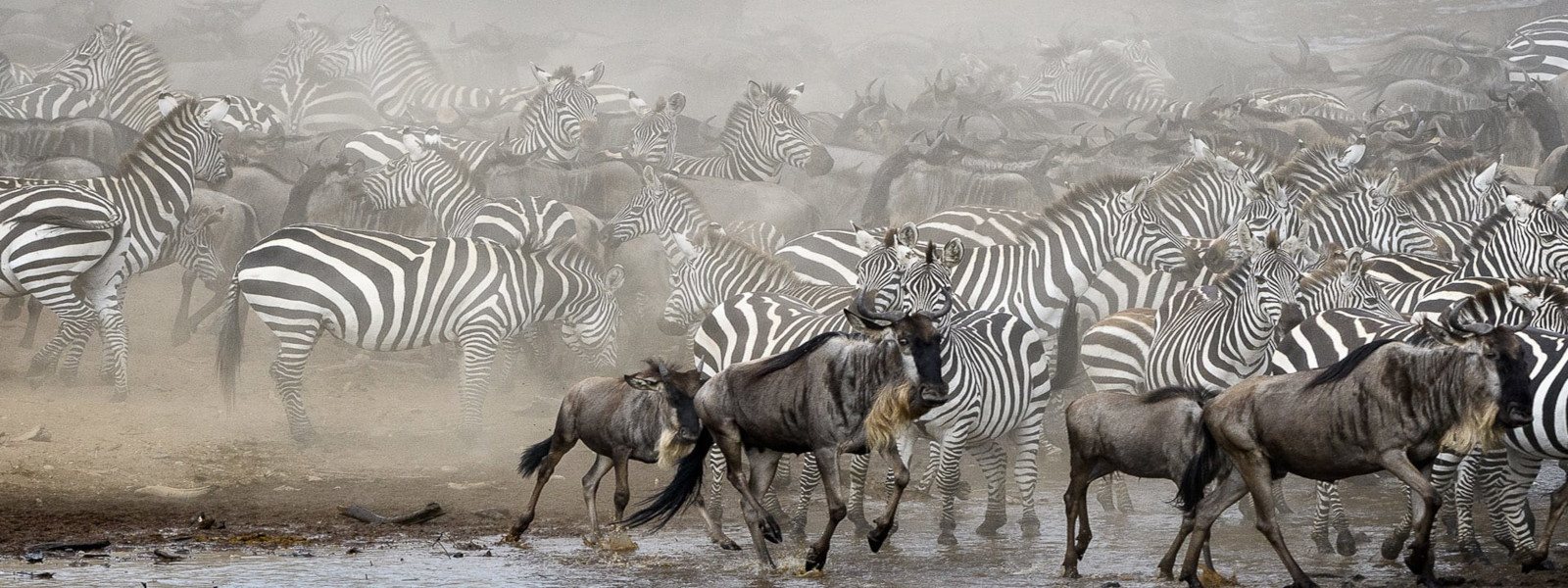
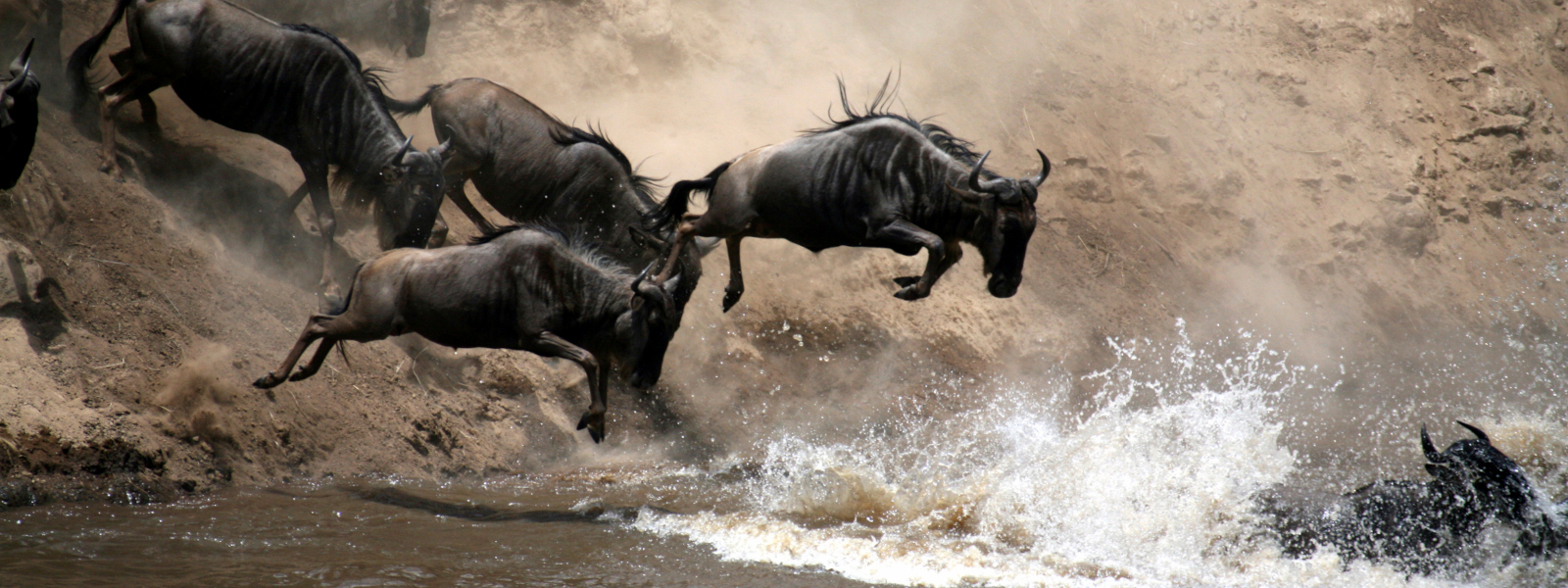
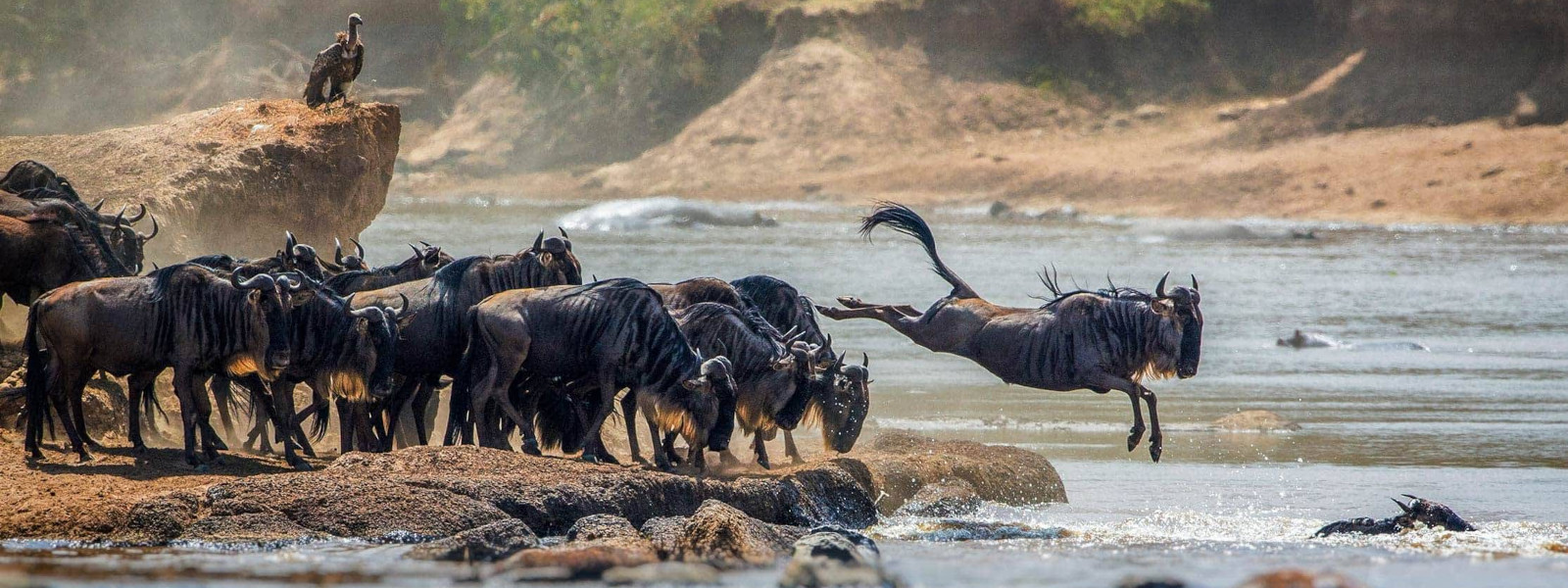
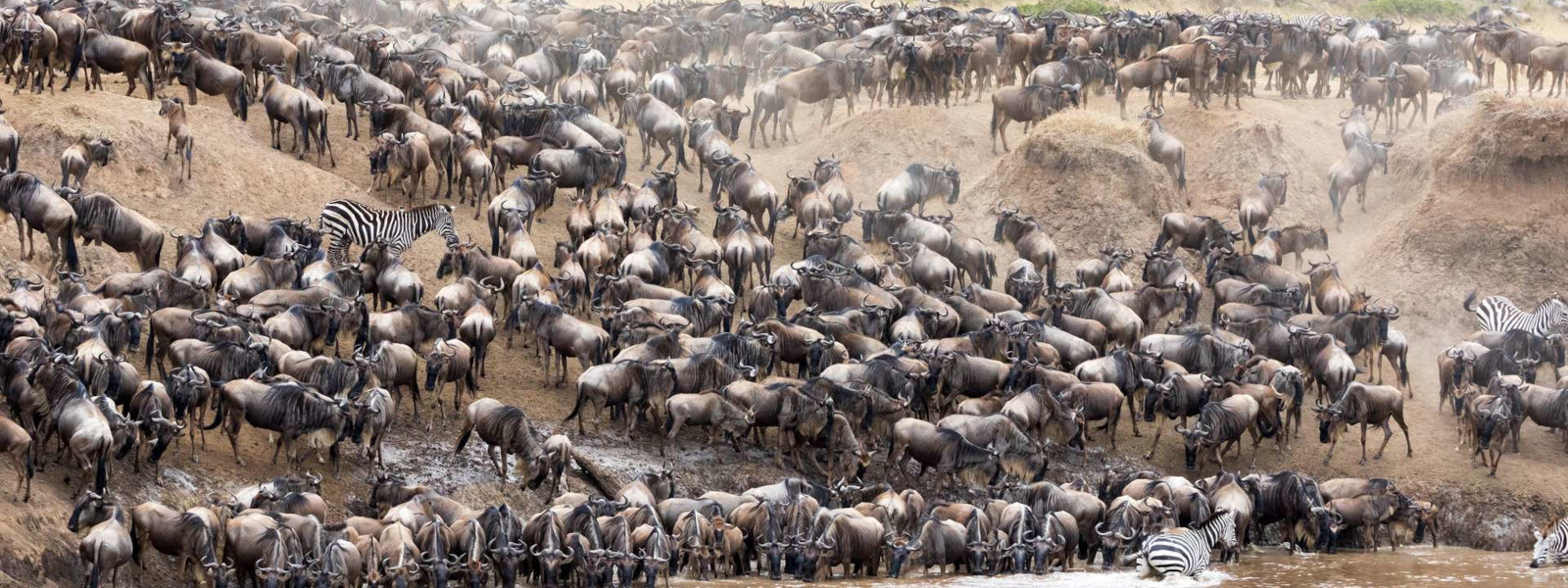
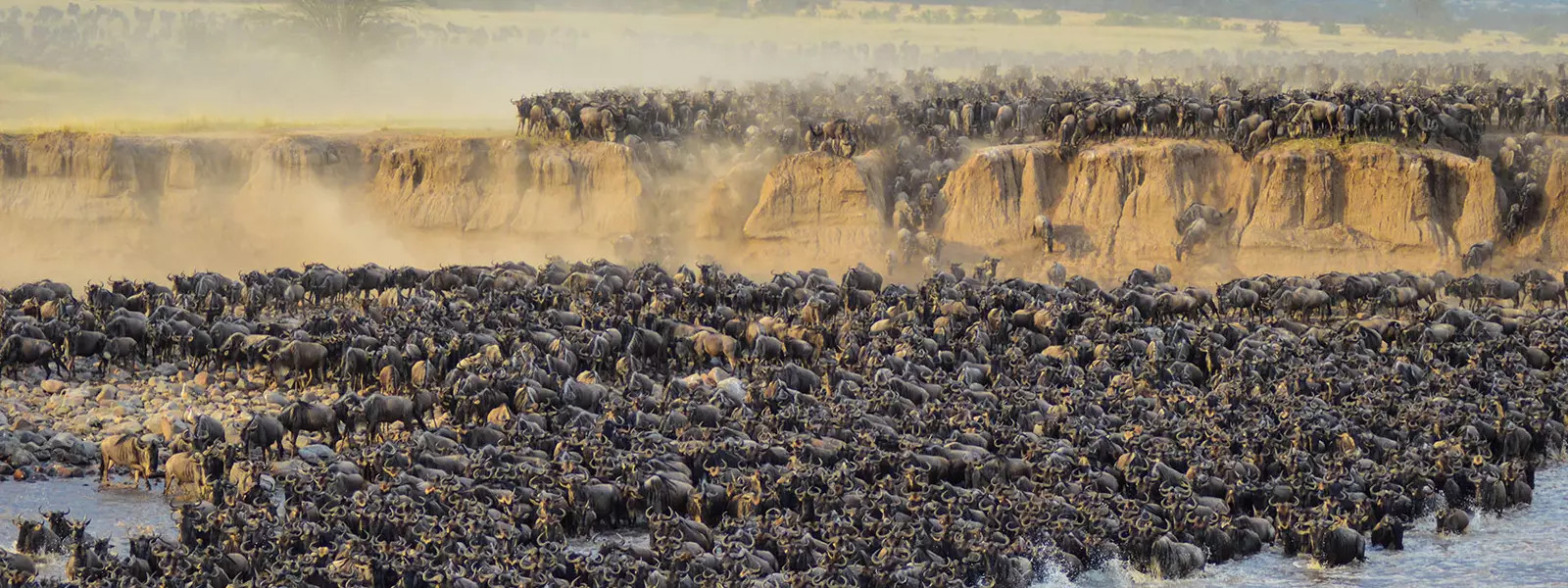
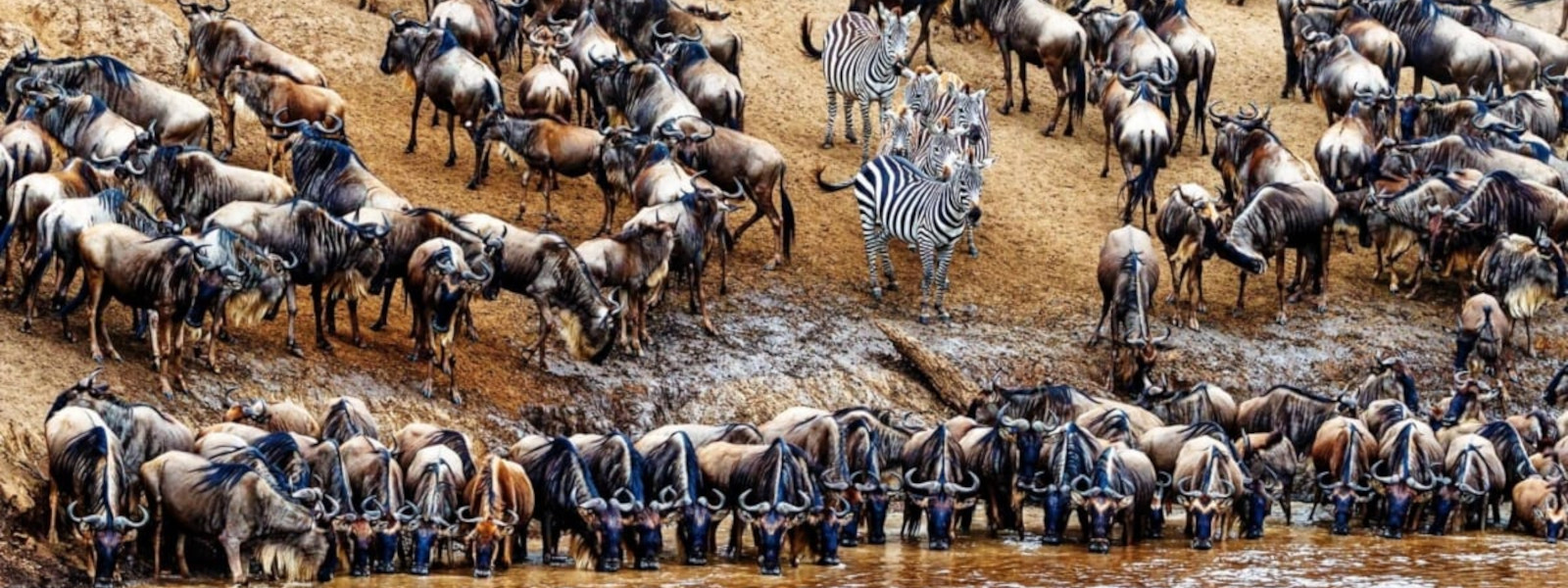
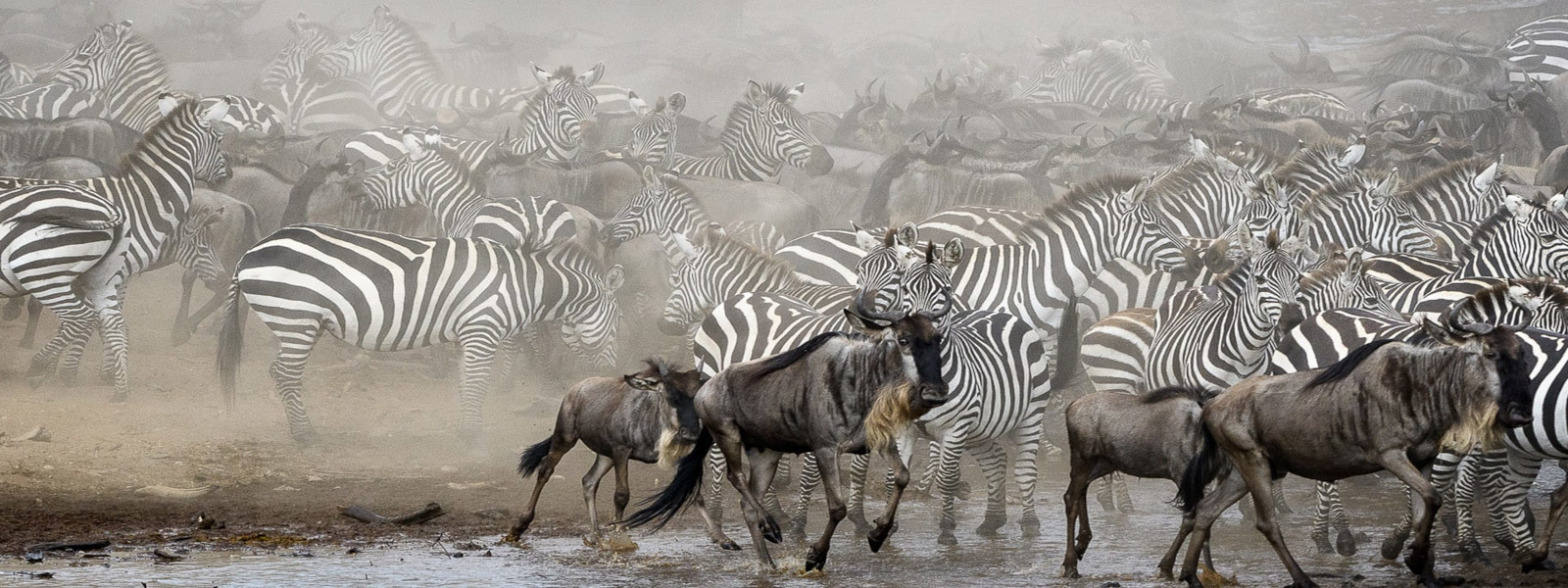
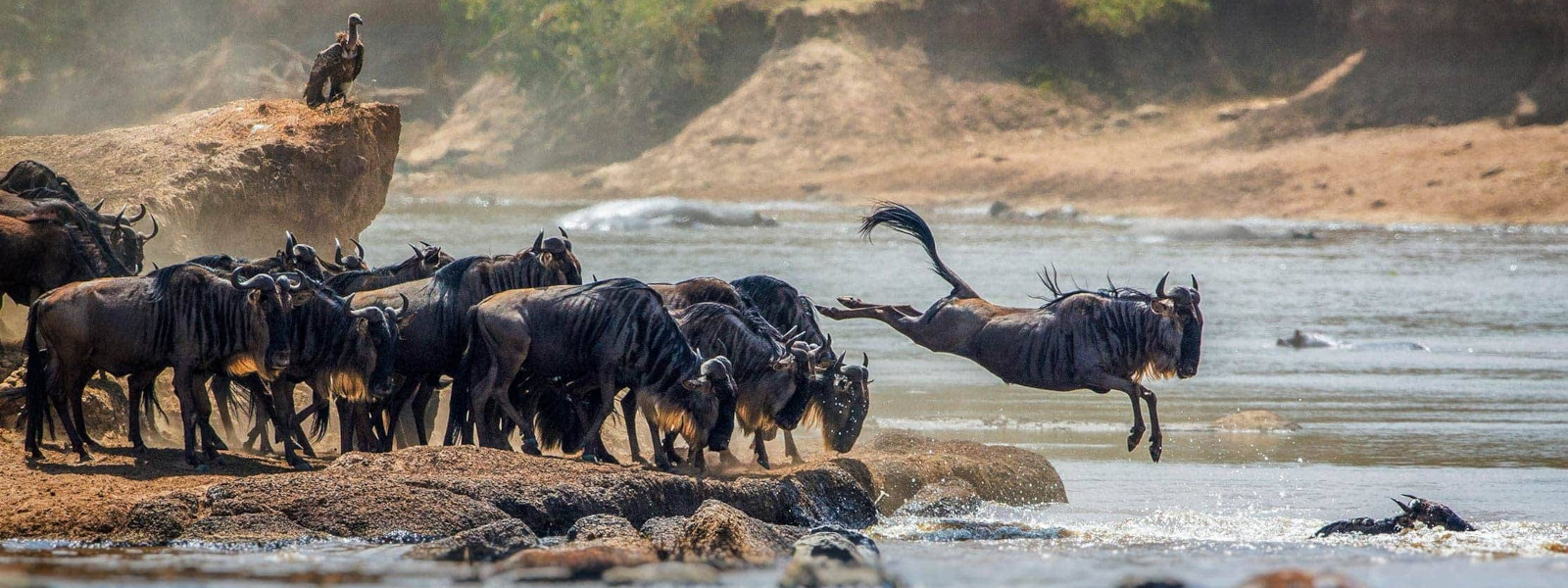
The peak. Herds hit the Mara River and must cross into Kenya and back multiple times. This is the iconic moment: panic, dust, crocodiles, drownings, and survival. Crossings can happen any time from sunrise to 4 PM and last minutes or hours. We base you in the Kogatende area on the Tanzania side. You get the same crossings as Masai Mara with a fraction of the tourist traffic. Daily game drives target known crossing points.
𝐎𝐜𝐭 𝐭𝐨 𝐍𝐨𝐯: 𝐄𝐚𝐬𝐭𝐞𝐫𝐧 𝐒𝐞𝐫𝐞𝐧𝐠𝐞𝐭𝐢 & 𝐑𝐞𝐭𝐮𝐫𝐧 𝐒𝐨𝐮𝐭𝐡.
Short rains trigger the journey home. The herds scatter across central and eastern Serengeti, moving unpredictably. Storms, green plains, and excellent general game make this a secret favorite for photographers. Camps follow the herds east toward Loliondo and Lobo.
𝕎𝕙𝕒𝕥 𝕂𝕚𝕞’𝕫𝕖𝕓𝕣𝕒 ℙ𝕣𝕠𝕧𝕚𝕕𝕖𝕤
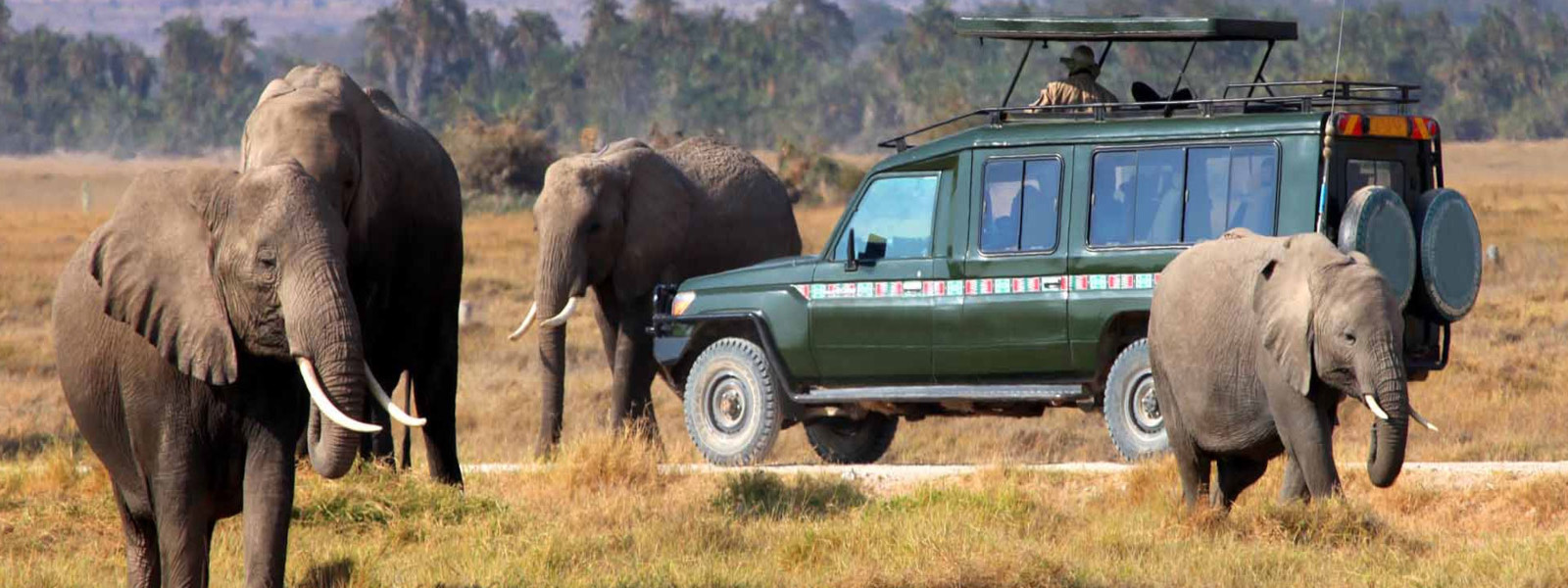
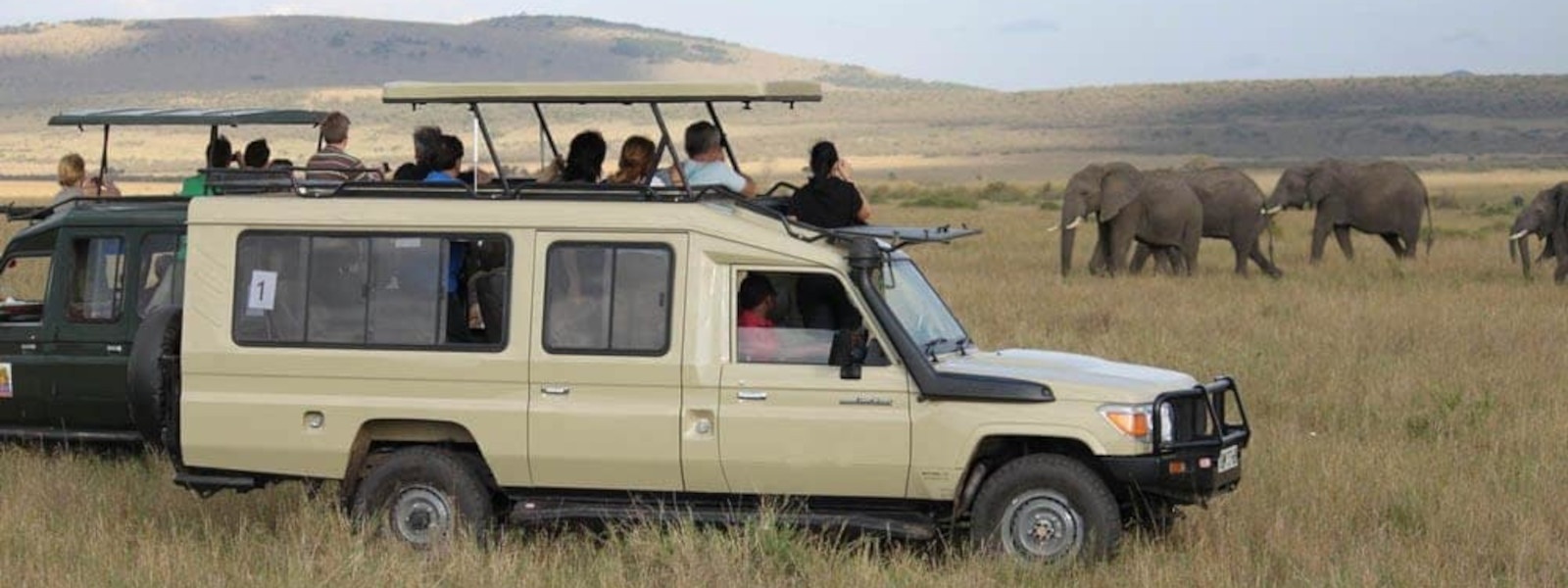
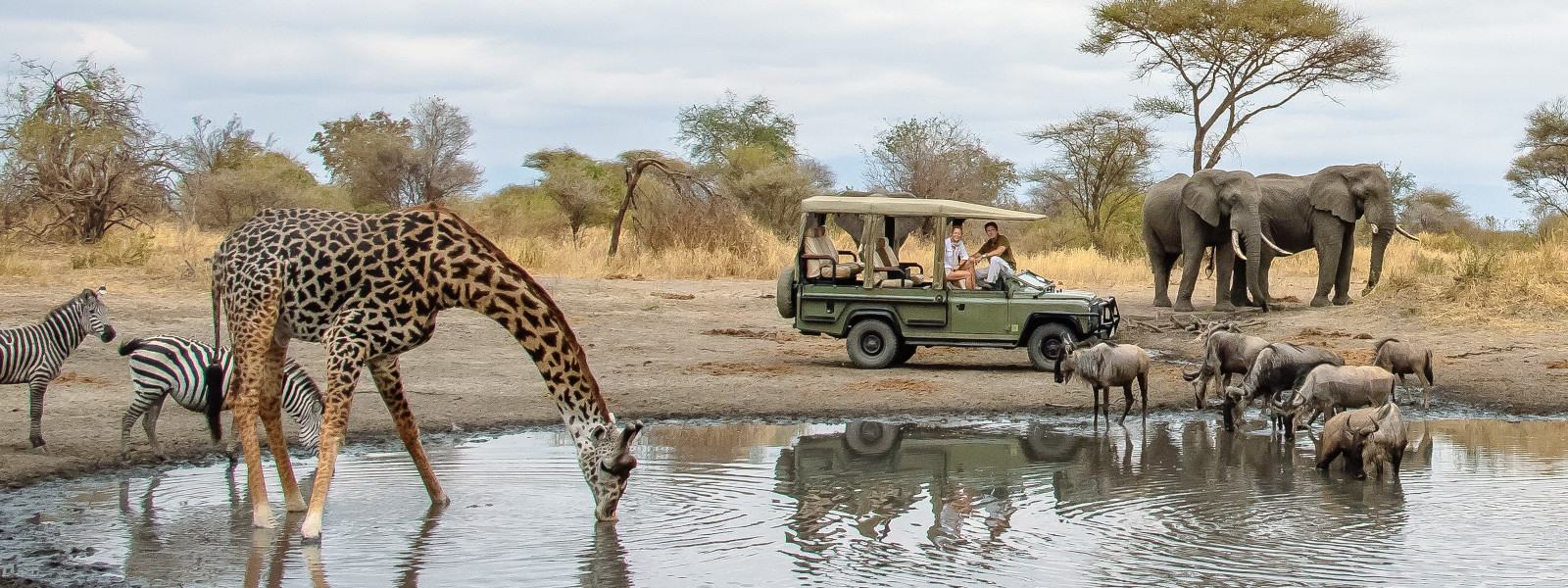
Private or small-group 4x4 Land Cruiser with pop-up roof and charging, expert migration guide who tracks herds daily, all park and concession fees, accommodation matched to migration location, full board meals, bottled water, and airport transfers from Arusha or Kilimanjaro. We adjust camps between north, west, and south as the herds move — you never base in one spot and commute.
𝕎𝕙𝕖𝕟 𝕥𝕠 𝔹𝕠𝕠𝕜
River crossing dates in August–September sell out 10–12 months ahead. Calving season books 8–10 months ahead. Shoulder months offer better value and availability. The migration never cancels. It only changes location. Tell us your dates and we put you where the drama is.